The Evolution of Live Music Venues in Portugal
The landscape of live music venues in Portugal has undergone significant transformations over the years. This article delves into the factors that have shaped these venues, catering to a diverse audience, particularly for those aged 40 to 60 who appreciate nostalgia performances.
Historical Context of Music Venues
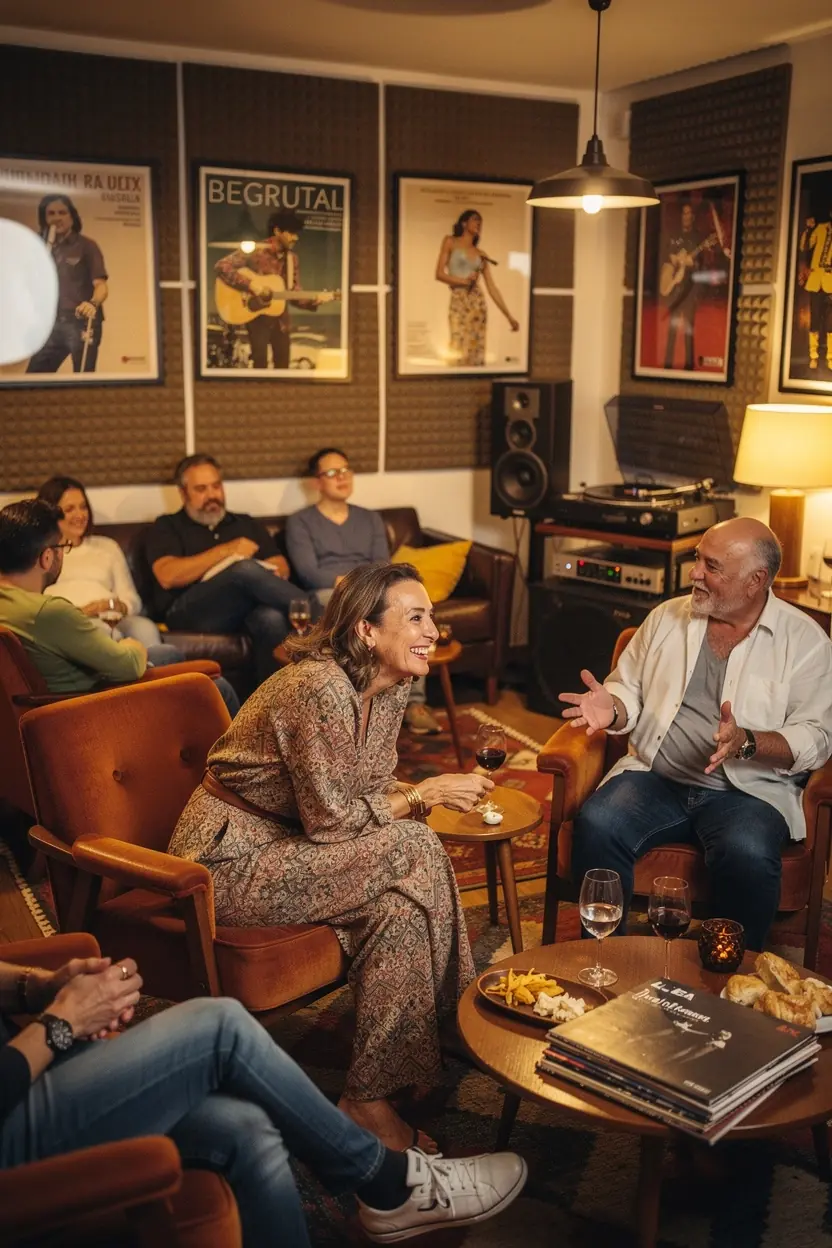
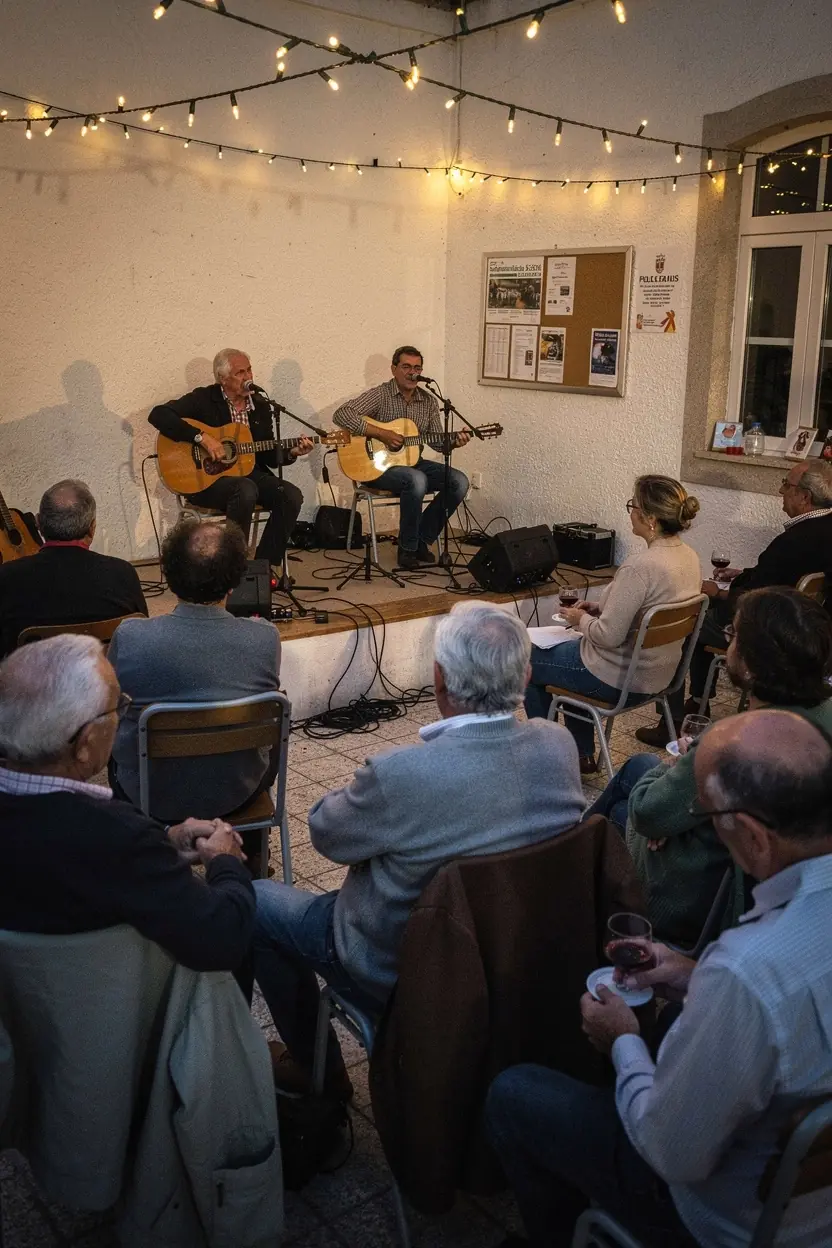
Live music venues in Portugal have a rich history, often reflecting the cultural shifts within the country. Historically, small local bars and traditional fado houses were the primary spots for music lovers. According to experts, this intimate setting allowed for community building and a personal connection between artists and audiences.
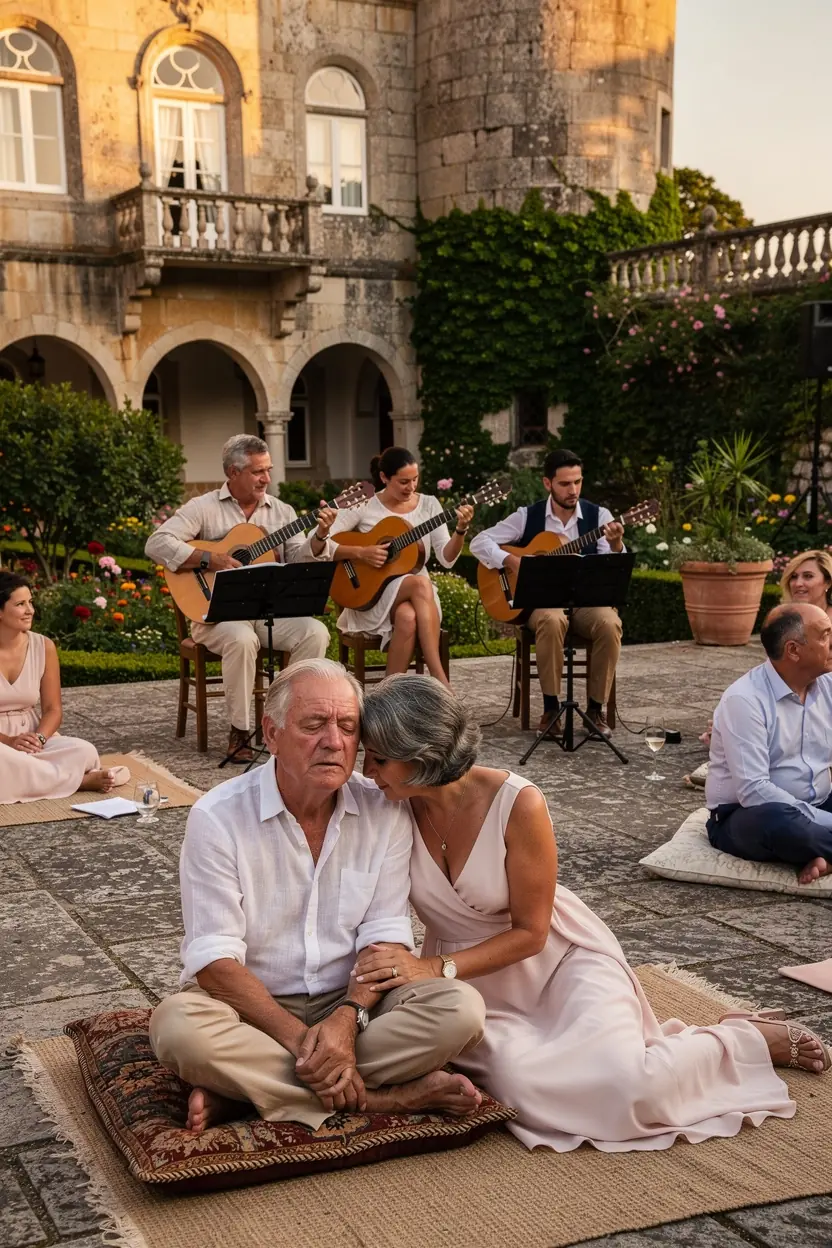
"The evolution of venues has transformed how we experience music, moving from personal connections to larger communal gatherings."
Modern Venues and Accessibility
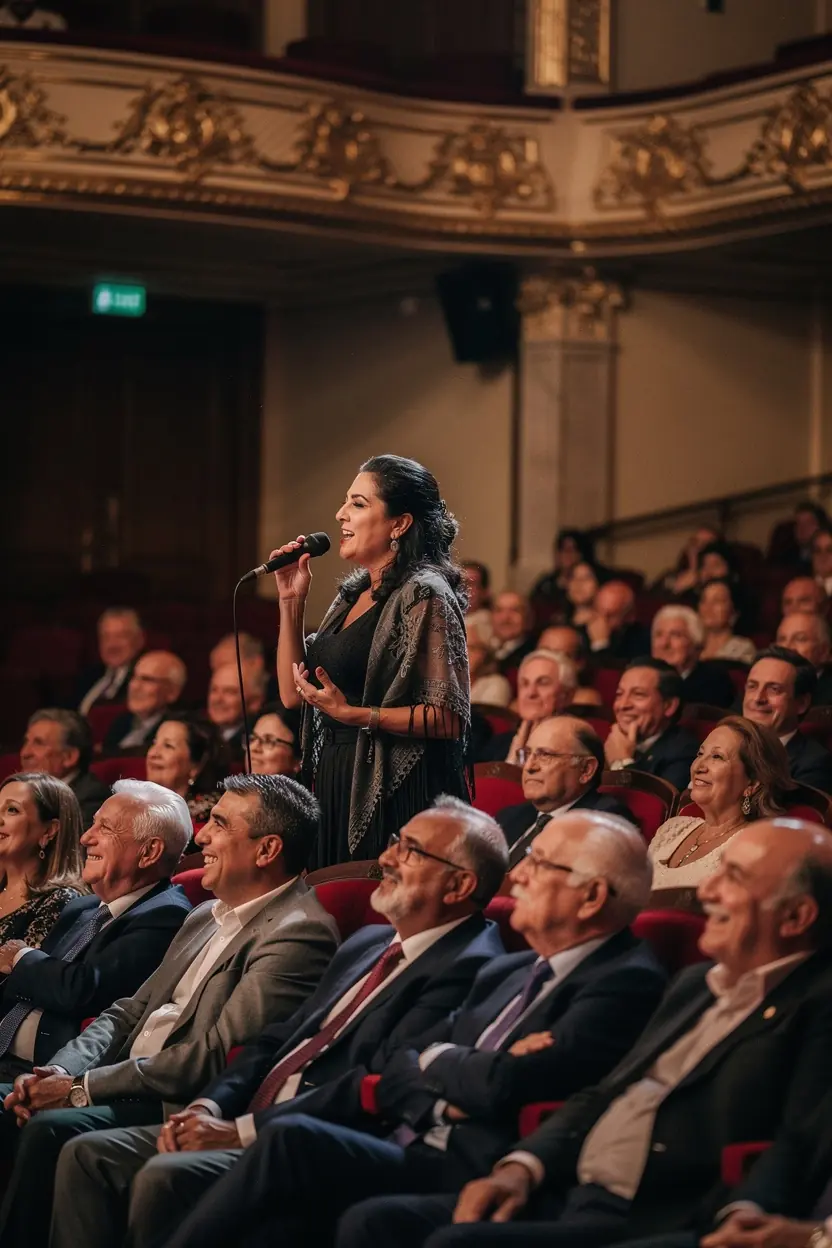
Today, Portugal boasts a diverse range of venues from grand concert halls to open-air festivals. Many venues now prioritize accessibility, ensuring that adults of all ages can enjoy live performances. Reports indicate that approximately 60% of venues have implemented features that cater to individuals with mobility challenges. This trend aligns with the growing demand for accessible concert experiences in the Portugal music scene.
Types of Venues
- Concert Halls: Larger venues that host international artists and major events.
- Cultural Spaces: Combined venues that offer exhibitions alongside performances, enriching the cultural experience.
- Outdoor Festivals: Seasonal events that attract larger crowds, often incorporating various genres to appeal to multiple tastes.
Curated Music Lineup for Adults
As the audience's preferences evolve, many venues are focusing on curated music lineups that resonate with adults aged 40-60. Research shows that nostalgia plays a significant role in attracting this demographic, with many expressing a desire for performances that remind them of their youth.
Venues are responding to this demand by featuring artists from the past, along with contemporary acts that incorporate classic influences. This blend not only satisfies older audiences but also introduces younger listeners to the sounds of previous generations.
Importance of Accessibility
Accessibility is crucial in the evolution of live music venues. Studies indicate that venues with accessible features not only enhance the concert experience but also attract a wider audience. Factors such as wheelchair access, sensory-friendly environments, and clear signage can significantly improve the experience for attendees.
Conclusion
The evolution of live music venues in Portugal reflects a broader cultural shift towards inclusivity and nostalgia. With ongoing efforts to enhance accessibility and a focus on curated experiences for adults, the music scene continues to thrive. As we look forward to upcoming performances, the integration of these elements will undoubtedly enrich the live music landscape, ensuring that it remains a vibrant part of Portugal's cultural fabric.